
Ouça este podcast gratuitamente no aplicativo: Baixe gratuitamente na App Store
radio.net
Sleeptimer
Guardar rádio
4251 episódios
Financial Advice: Interview focuses on affordable and mixed-income housing, especially for underserved populations.
27/10/2026 | 25minListen and subscribe to Money Making Conversations on iHeartRadio, Apple Podcasts, Spotify, www.moneymakingconversations.com/subscribe/ or wherever you listen to podcasts. New Money Making Conversations episodes drop daily. I want to alert you, so you don’t miss out on expert analysis and insider perspectives from my guests who provide tips that can help you uplift the community, improve your financial planning, motivation, or advice on how to be a successful entrepreneur. Keep winning!
Two-time Emmy and Three-time NAACP Image Award-winning, television Executive Producer Rushion McDonald interviewed Eddy Benoit Jr.
🎯 Purpose of the Interview
This interview has three primary objectives:
Highlight Eddy Benoit Jr.’s work in real estate development Especially affordable housing, mixed-use developments, and senior living.
Explain how mission-driven real estate can transform communities Focus on underserved areas and mixed-income solutions.
Provide entrepreneurial and leadership insights Covering vision, discipline, team-building, and scaling a business.
🧠 Key Takeaways 1. Mission-Driven Development Is the Core of Success
The Benoit Group focuses on affordable and mixed-income housing, especially for underserved populations.
Their strategy is rooted in a clear “why” that hasn’t changed since founding.
✅ Insight:
Long-term success comes from staying aligned with a clear mission.
“Our litmus test has been our why… that’s what keeps us from being distracted.” [
2. There Is a Massive Gap in Affordable Senior Housing
Target population: Ages 55–85
Low to moderate income
This group often: Doesn’t qualify for subsidies
Can’t afford market-rate housing
✅ Insight:
Huge opportunity exists in underserved housing markets.
“The demand is extremely high… not many people are really building affordably priced housing.”
3. Understanding “Affordable Housing” Is More Complex Than It Sounds
Two categories: Capital A Affordable: Low-income (≤60% of area median income)
Small a affordable: Moderate-income (80%–140%)
Projects must balance income ranges to remain financially viable.
✅ Insight:
Real estate success requires technical, financial, and regulatory understanding.
4. Public-Private Partnerships Drive Large Developments
Major projects come through: Competitive RFP/RFQ processes
Partnerships with municipalities
Developments often include: Housing
Retail
Office/hospitality components
✅ Insight:
Scale is achieved through collaboration with government entities.
5. Great Leadership Requires Evolution and Self-Awareness
Leadership style evolved over time: From authority-based to transparency-based
Key principle: Honesty and communication build strong teams
✅ Insight:
Effective leadership is adaptive, transparent, and people-centered.
“Transparency and honesty… is the best form of communication.”
6. Hire People Who Challenge You
Entrepreneurs often make the mistake of hiring people just like themselves.
Strong teams include: Different perspectives
Greater expertise
✅ Insight:
Growth requires diverse thinking and constructive challenge.
“You want people who think different… and can challenge your thought process.”
7. Be Realistic and Honest in Business Planning
Many entrepreneurs: Set unrealistic revenue expectations
Build budgets based on wishful thinking
✅ Insight:
Success requires honest evaluation and disciplined planning.
“They’re not honest with themselves… the path to making that revenue isn’t achievable.”
8. Real Estate Can Transform Entire Communities
Benoit Group intentionally invests in: Overlooked or underserved neighborhoods
Their developments act as catalysts: Attracting other investors
Sparking broader economic growth
✅ Insight:
Strategic investment can redefine entire communities.
“We go in areas that have been overlooked… and act as a catalyst.”
9. True Impact Goes Beyond Buildings
Success is not just physical development: It’s about changing mindset and confidence in communities
✅ Insight:
Transformation requires both infrastructure and psychological uplift.
“You’ve got to change the mindset… before you can get transformation.”
10. Recognition Is Meaningful but Not the Motivation
Benoit didn’t expect the award and initially thought it was for someone else.
He emphasizes: Mission over recognition
Team contribution
✅ Insight:
Awards are a byproduct of consistent, purpose-driven work.
“We don’t do it for the awards… but the recognition does feel great.”
11. Future Focus: Growth + Mentorship
Expansion goals: Broader geographic footprint (10+ states)
Strategic priority: Mentoring smaller developers to scale
✅ Insight:
True leadership includes creating opportunities for others to grow.
💬 Notable Quotes On mission
“Our litmus test has been our why.”
On market demand
“The demand is extremely high… especially for the baby boomers.”
On leadership
“Transparency and honesty… is the best form of communication.”
On team building
“You want people who think different… and can challenge you.”
On business planning
“They’re not honest with themselves.”
On community impact
“We act as a catalyst… attract others to invest.”
On transformation
“You’ve got to change the mindset.”
🧾 Bottom Line
This interview is a powerful example of mission-driven entrepreneurship in real estate.
Eddy Benoit Jr.’s core message:
Build businesses around purpose and real need
Focus on underserved markets for meaningful impact
Grow through discipline, partnerships, and strong teams
Create success that extends beyond profit into community transformation
#SHMS #STRAW #BEST
Money Making Conversations Master Class with Rushion McDonald is America's premier entrepreneurship, business leadership, financial literacy, and wealth-building podcast featuring successful entrepreneurs, executives, founders, celebrities, and industry experts sharing actionable insights for professional and financial success.
Business Podcast
Entrepreneurship
Small Business
Business Growth
Financial Literacy
Wealth Building
Black Entrepreneurs
Minority Business
Leadership
Executive Leadership
Business Funding
Marketing Strategies
Personal Development
Startup Advice
Sales Training
CEO Interviews
Founder Stories
Professional Development
Economic Empowerment
Business Success
Networking
Brand Building
Innovation
How to start a business
Small business funding
Entrepreneur success stories
Business leadership podcast
Wealth building strategies
Black entrepreneur podcast
Minority business development
Marketing for small businesses
Business growth strategies
Startup funding opportunities
Executive leadership training
Financial literacy education
Success mindset podcast
#BEST #SHMS #STRAW
Support the show: https://www.steveharveyfm.com/
See omnystudio.com/listener for privacy information.Business Advice: Shares how leadership, discipline, and human-centered culture drive business success.
27/10/2026 | 33minListen and subscribe to Money Making Conversations on iHeartRadio, Apple Podcasts, Spotify, www.moneymakingconversations.com/subscribe/ or wherever you listen to podcasts. New Money Making Conversations episodes drop daily. I want to alert you, so you don’t miss out on expert analysis and insider perspectives from my guests who provide tips that can help you uplift the community, improve your financial planning, motivation, or advice on how to be a successful entrepreneur. Keep winning!
Two-time Emmy and Three-time NAACP Image Award-winning, television Executive Producer Rushion McDonald interviewed Dr. Will Moreland.
Dr. Will Moreland shares how leadership, discipline, and human-centered culture drive business success. Drawing from military experience and executive coaching, he emphasizes that people—not just profits—are the foundation of sustainable growth.
🎯 Purpose of the Interview
The interview aims to:
Teach leadership principles for entrepreneurs and executives
Show how culture, civility, and discipline impact profitability
Help listeners understand how to build strong teams and organizations
Provide frameworks for decision-making, growth, and personal development
Address fear, adaptability (AI), and leadership evolution
🔑 Key Takeaways 1. 🧠 Leadership Starts with Self-Leadership
You must learn to lead yourself before leading others
“You can’t lead anybody else until you learn how to lead yourself.” [Dr. Will M...green) (2) | Txt]
Self-awareness and discipline are foundational leadership traits
2. 🤝 Civility Drives Profitability
Respectful treatment of employees increases productivity and results
“People that are respected are more productive… and more productive means more profitable.” [Dr. Will M...green) (2) | Txt]
Workplace culture directly impacts financial outcomes
3. 👥 People Over Profits (Long-Term Strategy)
Businesses often prioritize profit before people—the wrong approach
Success requires: Hiring the right team
Putting people in the right roles
“Before we focus on profit, we got to focus on the people.” [Dr. Will M...green) (2) | Txt]
4. 🔍 Entrepreneurs Must Know Their “Genius Zone”
Leaders should focus only on their highest-value skills
Delegate everything else to scale effectively
“What does your company pay you for?” [Dr. Will M...green) (2) | Txt]
Growth happens when founders stop doing everything
5. ⚠️ Hiring Mistakes Hurt Growth
Many entrepreneurs “mishire” by hiring too many or wrong people
You need focused, aligned team members—not just more staff
6. 🏢 Culture Must Be Intentional and Consistent
Dr. Moreland’s culture framework includes:
Clarity (define culture)
Communication (reinforce expectations)
Consistency (apply standards daily)
“You have to be clear… communicate… and be consistent.” [Dr. Will M...green) (2) | Txt]
7. 📊 Data Over Assumptions in Leadership
Leaders often think culture is strong—but employees feel differently
Use anonymous assessments to uncover truth
8. 😨 Fear Is a Knowledge Problem
Fear stems from lack of information
Confidence grows with understanding
“Fear is just information… people are afraid of the unknown.” [Dr. Will M...green) (2) | Txt]
9. 🤖 AI Should Be Embraced, Not Feared
AI enhances productivity—it doesn’t replace people
“You’re not going to get replaced by AI… you’re going to get replaced by a person who has embraced AI.” [Dr. Will M...green) (2) | Txt]
Best use: combine AI efficiency with human creativity
10. 🧭 Decision-Making Framework (CORE)
Dr. Moreland’s CORE framework for evaluating opportunities:
Clarity (does it align with your goals?)
Opportunities (is it the right opportunity?)
Relationships (will it strengthen or hurt relationships?)
Experiences (how will it impact your life?)
11. 🎯 Discipline Is the Bridge to Success
Daily habits and consistency create long-term success
“Discipline is the bridge… what you do every single day gets you to your goal.” [Dr. Will M...green) (2) | Txt]
12. 🎤 Personal Brand = Positioning + Advantage + Marketing
His**“Million-Dollar Speaker” framework (PAM):**
Positioning – How you’re known
Advantage – What makes you unique
Marketing – Consistent messaging
🔥 Notable Quotes On Leadership
“You can’t lead anybody else until you learn how to lead yourself.” [Dr. Will M...green) (2) | Txt]
On Culture & Profit
“Civility is profitable.” [Dr. Will M...green) (2) | Txt]
On Hiring & Teams
“You don’t need a lot of people—you need dedicated people.” [Dr. Will M...green) (2) | Txt]
On Focus
“What does your company pay you for?” [Dr. Will M...green) (2) | Txt]
On Fear
“Fear is just information.” [Dr. Will M...green) (2) | Txt]
On AI
“You’re not going to get replaced by AI…” [Dr. Will M...green) (2) | Txt]
On Discipline
“Discipline is the bridge.” [Dr. Will M...green) (2) | Txt]
On Culture
“You have to be clear… communicate… and be consistent.” [Dr. Will M...green) (2) | Txt]
✅ Bottom Line
This interview reframes success as a leadership and discipline problem—not just a business or financial problem.
Dr. Will Moreland’s core message:
Lead yourself before leading others
Build people-first cultures
Focus on your strengths and delegate the rest
Replace fear with knowledge
Use tools like AI to enhance—not replace—your value
Operate with clarity, discipline, and alignment
👉 Ultimate takeaway:
Strong leadership + disciplined execution + people-centered culture = sustainable success and profitability.
#SHMS #BEST #STRAW
Money Making Conversations Master Class with Rushion McDonald is America's premier entrepreneurship, business leadership, financial literacy, and wealth-building podcast featuring successful entrepreneurs, executives, founders, celebrities, and industry experts sharing actionable insights for professional and financial success.
Business Podcast
Entrepreneurship
Small Business
Business Growth
Financial Literacy
Wealth Building
Black Entrepreneurs
Minority Business
Leadership
Executive Leadership
Business Funding
Marketing Strategies
Personal Development
Startup Advice
Sales Training
CEO Interviews
Founder Stories
Professional Development
Economic Empowerment
Business Success
Networking
Brand Building
Innovation
How to start a business
Small business funding
Entrepreneur success stories
Business leadership podcast
Wealth building strategies
Black entrepreneur podcast
Minority business development
Marketing for small businesses
Business growth strategies
Startup funding opportunities
Executive leadership training
Financial literacy education
Success mindset podcast
Support the show: https://www.steveharveyfm.com/
See omnystudio.com/listener for privacy information.Brand Building: The realities of launching, funding, and scaling a premium nonalcoholic spirit brands.
27/10/2026 | 28minListen and subscribe to Money Making Conversations on iHeartRadio, Apple Podcasts, Spotify, www.moneymakingconversations.com/subscribe/ or wherever you listen to podcasts. New Money Making Conversations episodes drop daily. I want to alert you, so you don’t miss out on expert analysis and insider perspectives from my guests who provide tips that can help you uplift the community, improve your financial planning, motivation, or advice on how to be a successful entrepreneur. Keep winning!
Two-time Emmy and Three-time NAACP Image Award-winning, television Executive Producer Rushion McDonald interviewed Monica Cornitcher.
Entrepreneurial journey, the inspiration behind Medase Cocktails, and the realities of launching, funding, and scaling a premium nonalcoholic spirits brand in a highly competitive market.
Purpose of the Conversation
The purpose of the episode is to:
Educate aspiring entrepreneurs on how to build a differentiated consumer brand
Demonstrate the importance of storytelling, market clarity, and operational discipline
Highlight the growth of the nonalcoholic / zero‑proof beverage movement
Inspire founders—especially founders of color—to own their niche, seek capital strategically, and scale intentionally.
Key Takeaways 1. Business Built from Personal Need and Purpose
Medase Cocktails was co‑founded by Monica and her lifelong friend during her friend’s battle with breast cancer, a time when alcohol was no longer an option—but celebration still mattered.
The brand was created to allow people to celebrate authentically without alcohol
It carries emotional depth rooted in friendship, gratitude, and loss
Monica continues the mission after her co‑founder passed away in 2024
Lesson: Purpose-driven businesses create deeper emotional connection and long-term brand equity.
2. Differentiation Is Everything
Monica deliberately rejected the “sparkling water with flavor” model common in nonalcoholic drinks.
Her differentiators include:
Authentic cocktail taste (Old Fashioned, Margarita, Moscow Mule)
Organic juices, not artificial flavors
Bold packaging that stands out on shelves
Drinks designed to smell, taste, and feel like real cocktails
Lesson: Competing on authenticity—not cost—is how you carve out market share in crowded spaces.
3. Brand Names and Stories Matter
The name “Medase” means “thank you” and reflects gratitude, friendship, and emotional support.
Monica emphasizes:
Every flavor name, color, and product decision has a story
A strong brand narrative creates curiosity, loyalty, and investor interest
Lesson: People invest in brands they feel—emotionally, not just intellectually.
4. Venture Capital Is Not Just About Numbers
While financials matter, Monica stresses that VCs also invest in founders and stories.
What helped her secure venture capital:
A compelling personal story
Relevant founder skill sets (M&A, law, operations)
Clear understanding of the market opportunity
Lesson: Early-stage funding often depends on who you are and why you’re building, not just revenue.
5. Research, Planning, and Discipline Before Launch
Unlike many food startups, Medase did not begin in a kitchen.
They:
Conducted a feasibility study
Built a formal business plan
Worked with a Black female food scientist
Set strict personal funding limits before seeking capital
Lesson: Preparation reduces risk and builds long-term sustainability.
6. Scaling Requires Operational Maturity
As sales increased—especially on Amazon—Monica emphasized the need to move from “hustle mode” to operational excellence.
Key scaling principles:
Understand unit economics
Track ROI for events and activations
Adjust pricing as volume increases
Build strategy across marketing, operations, and distribution
Lesson: Hustle starts the business; operations grow it.
7. Niche First, Expansion Later
Medase does not try to be “everything to everyone.”
Core customers include:
People seeking a break from alcohol
Health-conscious consumers
Black men looking for alcohol replacements
Consumers wanting cocktail taste without hangovers
Lesson: Strong niches create loyal advocates who fuel organic growth.
8. Smart Distribution Strategy
Rather than rushing into retail, Monica prioritized direct-to-consumer channels:
Amazon (top-performing channel)
Brand website
TikTok Shop
Only after 6–7 months of traction did retail expansion become viable.
Lesson: Control your margins and demand before entering expensive retail environments.
Memorable Quotes
“I wanted an authentic cocktail without compromise.”
“Everything we do has a story behind it.”
“Sometimes it’s not about the financials—it’s about the founder and the story.”
“Don’t be everything to everybody. Find your market and stick with your market.”
“Hustle starts the business, but operations give you scale.”
“If it tastes too much like alcohol and you gave me a one-star review—thank you. That means I did my job.”
Overall Message
This episode is a real-world entrepreneurial blueprint showing how clarity of vision, emotional authenticity, disciplined planning, and niche focus can turn a personal idea into a scalable national brand.
Monica Cornitcher exemplifies the modern founder:
visionary, data-aware, emotionally intelligent, and unapologetically authentic.
#SHMS #BEST #STRAW
Money Making Conversations Master Class with Rushion McDonald is America's premier entrepreneurship, business leadership, financial literacy, and wealth-building podcast featuring successful entrepreneurs, executives, founders, celebrities, and industry experts sharing actionable insights for professional and financial success.
Business Podcast
Entrepreneurship
Small Business
Business Growth
Financial Literacy
Wealth Building
Black Entrepreneurs
Minority Business
Leadership
Executive Leadership
Business Funding
Marketing Strategies
Personal Development
Startup Advice
Sales Training
CEO Interviews
Founder Stories
Professional Development
Economic Empowerment
Business Success
Networking
Brand Building
Innovation
How to start a business
Small business funding
Entrepreneur success stories
Business leadership podcast
Wealth building strategies
Black entrepreneur podcast
Minority business development
Marketing for small businesses
Business growth strategies
Startup funding opportunities
Executive leadership training
Financial literacy education
Success mindset podcast
Support the show: https://www.steveharveyfm.com/
See omnystudio.com/listener for privacy information.Follow Your Passion: A Different World both elevated and pigeonholed her, and how animation opened a vast new chapter.
27/10/2026 | 27minListen and subscribe to Money Making Conversations on iHeartRadio, Apple Podcasts, Spotify, www.moneymakingconversations.com/subscribe/ or wherever you listen to podcasts. New Money Making Conversations episodes drop daily. I want to alert you, so you don’t miss out on expert analysis and insider perspectives from my guests who provide tips that can help you uplift the community, improve your financial planning, motivation, or advice on how to be a successful entrepreneur. Keep winning!
Two-time Emmy and Three-time NAACP Image Award-winning, television Executive Producer Rushion McDonald interviewed Dawnn Lewis.
Summary of the Interview
On Money Making Conversations Masterclass, Rushion McDonald interviews Dawnn Lewis—iconic actress, singer, songwriter, voice actress, philanthropist, and founder of the A New Day Foundation. The conversation traces her extraordinary career, starting from her childhood as a singer, dancer, and actor, through her rise to fame on A Different World, her decades-long voiceover career (including The Simpsons, Futurama, Star Trek: Lower Decks), and her ongoing philanthropic work supporting youth nationwide.
Dawnn discusses the challenges of being a multi-talented artist in an industry eager to box people into one lane, how A Different World both elevated and pigeonholed her, and how animation opened a vast new chapter for her that has lasted more than 30 years. She shares her philosophy on longevity, discipline, relationships, and the responsibility to give back. The interview also highlights her foundation’s programs supporting students, HBCUs, and underserved communities.
Purpose of the Interview
1. Celebrate Dawnn Lewis’s multi-decade, multi-disciplinary career
The interview showcases the depth of her talent—from singing and songwriting to acting, animation, and Broadway.
2. Highlight representation and legacy
Dawnn discusses the cultural impact of A Different World and her groundbreaking role as a Black female captain in Star Trek: Lower Decks.
3. Inspire audiences with her journey from Bed-Stuy to global success
Her story emphasizes perseverance, big dreaming, and ignoring limitations others impose.
4. Promote the A New Day Foundation
Dawnn details programs empowering youth, HBCU students, and underserved communities.
5. Provide insight into surviving and thriving in entertainment
She shares the importance of relationships, versatility, and constant self-improvement.
Key Takeaways
1. She was a “triple threat” long before Hollywood discovered her
Singing, dancing, and acting from age 7–11, she began performing professionally at 10 and even launched her own musical theatre degree program at the University of Miami.
2. A Different World brought fame but also typecasting
While it launched her into global visibility, it also led people to underestimate her songwriting, music, and voiceover abilities.
3. Her voice acting career spans more than 30 years
She has voiced characters on The Simpsons, Futurama, Star Trek: Lower Decks, Craig of the Creek, Fairly OddParents, Mortal Kombat, and many more.
Her entry into animation came from imitating her young niece for a role.
4. Representation matters deeply to her
Seeing Nichelle Nichols on Star Trek inspired her as a child; today, Dawnn is one of the very few Black captains in the Star Trek universe.
5. The industry rewards resilience and relationships
Dawnn emphasizes that her longevity comes from consistently doing excellent work and nurturing her professional network.
6. She founded the A New Day Foundation to uplift youth
Her programs serve teens, HBCU students, and communities nationwide, providing mentorship, laptops, scholarships, and life skills training.
7. Dawnn’s journey is one of intentional growth and constant reinvention
She never stopped expanding—into Broadway, television, songwriting, animation, philanthropy, and leadership.
Notable Quotes
(All quotes from the uploaded transcript.)
On talent and early training
“I was singing, dancing at seven, acting at eleven… doing all three professionally since I was about ten years old.”
“I thought I was going to be a recording artist… I had my own single out. I was charting on Billboard.”
On being boxed in
“I didn’t start getting pigeonholed until I did A Different World… now you’re just an actress.”
On entering animation
“There weren’t very many people of color in the animation world… the director said, ‘Who are you? How come I never met you before?’”
“I get to voice characters they wouldn’t hire me visually to play.”
On representation and Star Trek
“In the legacy of Star Trek, it’s me and Avery Brooks as the Black captains.”
“Seeing Nichelle Nichols made me hopeful… she was my hero.”
On career longevity
“You quiet the naysayers by just showing up and doing the work.”
“God keeps opening doors and giving me what I need to walk through them successfully.”
On giving back
“I am my best investment.” (also used in her foundation’s mission)
“Where you were yesterday is not where you have to end up today.”
@#SHMS #STRAW #BEST
Money Making Conversations Master Class with Rushion McDonald is America's premier entrepreneurship, business leadership, financial literacy, and wealth-building podcast featuring successful entrepreneurs, executives, founders, celebrities, and industry experts sharing actionable insights for professional and financial success.
Business Podcast
Entrepreneurship
Small Business
Business Growth
Financial Literacy
Wealth Building
Black Entrepreneurs
Minority Business
Leadership
Executive Leadership
Business Funding
Marketing Strategies
Personal Development
Startup Advice
Sales Training
CEO Interviews
Founder Stories
Professional Development
Economic Empowerment
Business Success
Networking
Brand Building
Innovation
How to start a business
Small business funding
Entrepreneur success stories
Business leadership podcast
Wealth building strategies
Black entrepreneur podcast
Minority business development
Marketing for small businesses
Business growth strategies
Startup funding opportunities
Executive leadership training
Financial literacy education
Success mindset podcast
Support the show: https://www.steveharveyfm.com/
See omnystudio.com/listener for privacy information.Follow Your Passion: They have built a successful animation company and creates culturally authentic stories.
26/10/2026 | 28minListen and subscribe to Money Making Conversations on iHeartRadio, Apple Podcasts, Spotify, www.moneymakingconversations.com/subscribe/ or wherever you listen to podcasts. New Money Making Conversations episodes drop daily. I want to alert you, so you don’t miss out on expert analysis and insider perspectives from my guests who provide tips that can help you uplift the community, improve your financial planning, motivation, or advice on how to be a successful entrepreneur. Keep winning!
Two-time Emmy and Three-time NAACP Image Award-winning, television Executive Producer Rushion McDonald interviewed Carl Jones and Love Jones, co-founders of the Black-owned animation studio Martian Blueberry, discuss their journey in animation, entrepreneurship, storytelling, talent development, and their mission to create opportunities for underrepresented voices in entertainment. The conversation explores their professional accomplishments, creative philosophy, and commitment to building a more inclusive animation industry.
Purpose of the Interview
The purpose of the interview was to showcase how Carl Jones and Love Jones have built a successful animation company while using their platform to create culturally authentic stories and expand opportunities for diverse creators in the entertainment industry. The discussion also highlighted the importance of entrepreneurship, creativity, mentorship, and representation.
Key Takeaways Building a Vision Through Partnership
The couple combined their individual talents in storytelling, production, casting, business development, and entrepreneurship to launch Martian Blueberry.
Their shared values and long-term vision became the foundation of both their business and personal relationship.
Creating Authentic Stories Matters
Carl Jones emphasized that regardless of industry changes, successful content begins with authentic characters and meaningful stories that reflect real experiences.
He believes storytelling should address culture, politics, and social issues through a truthful lens.
Representation Creates Opportunity
Love Jones discussed the importance of increasing opportunities for women and people of color both in front of and behind the camera.
Their company intentionally seeks diverse talent while maintaining high professional standards.
Social Media Is the New Talent Pipeline
Emerging actors, voice performers, and creators should actively showcase their talents online.
Social media has become one of the most effective ways for casting professionals to discover new talent.
Creativity Will Always Outperform AI
Both guests emphasized that originality, personality, and unexpected creative choices are what make performers memorable.
While AI can replicate patterns, it cannot recreate the unique human experiences that drive authentic storytelling.
Opening Doors for the Next Generation
The founders are committed to identifying, mentoring, and creating opportunities for aspiring writers, voice actors, animators, and creators.
They view community building and talent development as a responsibility that comes with success.
Navigating an Evolving Entertainment Industry
The guests acknowledged major changes in Hollywood, including shorter seasons, fewer episodes, and the impact of streaming platforms.
Despite these shifts, they believe strong storytelling remains the key to lasting success.
Memorable Quotes
“The format is going to always change, but if you're not telling stories with really good characters, it just won't last.” – Carl Jones
“Don't be afraid to be cringey. Don't always try to be cool. Take some risks.” – Love Jones
“AI can mimic, but it doesn't know how to create.” – Love Jones
“You want to stand out. You want to be memorable.” – Carl Jones
“The biggest responsibility we feel is opening doors for people.” – Love Jones
“Story can inspire people to have more empathy.” – Carl Jones
Conclusion
The interview highlights how Carl Jones and Love Jones have become influential leaders in animation by combining creative excellence with a commitment to representation and mentorship. Their success demonstrates that authentic storytelling, entrepreneurial vision, and creating pathways for others can drive both cultural impact and business growth. Through Martian Blueberry, they continue to shape the future of animation while helping the next generation of diverse creators find their place in the industry.
#BEST
#STRAW
#SHMS
Money Making Conversations Master Class with Rushion McDonald is America's premier entrepreneurship, business leadership, financial literacy, and wealth-building podcast featuring successful entrepreneurs, executives, founders, celebrities, and industry experts sharing actionable insights for professional and financial success.
Business Podcast
Entrepreneurship
Small Business
Business Growth
Financial Literacy
Wealth Building
Black Entrepreneurs
Minority Business
Leadership
Executive Leadership
Business Funding
Marketing Strategies
Personal Development
Startup Advice
Sales Training
CEO Interviews
Founder Stories
Professional Development
Economic Empowerment
Business Success
Networking
Brand Building
Innovation
How to start a business
Small business funding
Entrepreneur success stories
Business leadership podcast
Wealth building strategies
Black entrepreneur podcast
Minority business development
Marketing for small businesses
Business growth strategies
Startup funding opportunities
Executive leadership training
Financial literacy education
Success mindset podcast
Support the show: https://www.steveharveyfm.com/
See omnystudio.com/listener for privacy information.
Mais podcasts de Comédia







Podcasts em tendência em Comédia






















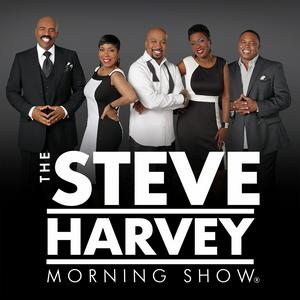
Sobre The Steve Harvey Morning Show
Start your day with laughs, love, and real talk from Steve Harvey and his hilarious crew Shirley Strawberry, Carla Ferrell, Nephew Tommy, and Junior on the #1 morning radio show in America. Prank calls, life advice, celebrity guests, and nonstop energy. Follow, favorite, and subscribe now so you never miss a moment!
Steve Harvey brings his unmatched charisma and wisdom to mornings across the country, mixing comedy, culture, and connection like no one else. Whether you need a laugh, a lift, or a little perspective, The Steve Harvey Morning Show delivers it all.
Join millions who tune in every day, and make Steve and the crew part of your morning routine!
Site de podcastOuça The Steve Harvey Morning Show, DIÁRIO DE BORDO e muitos outros podcasts de todo o mundo com o aplicativo o radio.net
Obtenha o aplicativo gratuito radio.net
- Guardar rádios e podcasts favoritos
- Transmissão via Wi-Fi ou Bluetooth
- Carplay & Android Audo compatìvel
- E ainda mais funções
Obtenha o aplicativo gratuito radio.net
- Guardar rádios e podcasts favoritos
- Transmissão via Wi-Fi ou Bluetooth
- Carplay & Android Audo compatìvel
- E ainda mais funções

The Steve Harvey Morning Show
Leia o código,
baixe o aplicativo,
ouça.
baixe o aplicativo,
ouça.
The Steve Harvey Morning Show: Podcast do grupo
 Brasil