

Ouça este podcast gratuitamente no aplicativo: Baixe gratuitamente na App Store
radio.net
Sleeptimer
Guardar rádio
68 episódios
Understanding ADHD medications: What Parents Need to Know - Part Two
23/09/2026 | 16minADHD Parenting Podcast – Episode 66: Understanding ADHD Medications: What Parents Need to Know – Part Two
Hosts Ryan and Mike continue their two-part deep dive into ADHD medications by walking through the actual medication categories and how they differ. They cover the two stimulant families — methylphenidate-derived (Ritalin, Concerta, Focalin, Jornay PM) and amphetamine-derived (Adderall, Vyvanse, Dexedrine) — and explain why a poor response to one class doesn't mean all stimulants will fail. From there they break down alpha agonists like clonidine and guanfacine, non-stimulants including Strattera and Qelbree, and the role SSRIs play when anxiety or depression co-occurs with ADHD. They also address the growing reality that pediatricians and nurse practitioners — not psychiatrists — are now the primary prescribers of ADHD medication due to a severe nationwide shortage that isn't getting better. The episode closes with a reminder that parents don't need to become medication experts; they need enough knowledge to ask better questions and partner effectively with their child's prescriber.
Find Mike @ www.grownowadhd.com & on IG
Find Ryan @ www.adhddude.com & on Youtube
{{chapters}}
[00:00:00] Start
[00:01:35] The Two Stimulant Families Explained
[00:03:42] Why Finding the Right Medication Takes Time
[00:05:11] Alpha Agonists: A Different Category
[00:06:44] Non-Stimulants: Strattera and Qelbree
[00:09:40] SSRIs and ADHD: Separate but Related
[00:11:12] Why Pediatricians Now Prescribe Most ADHD Meds
[00:13:11] Conclusion and Key TakeawaysUnderstanding ADHD medications: What Parents Need to Know - Part One
09/09/2026 | 26minHosts Ryan and Mike tackle one of the most frequently asked questions from parents: Is ADHD medication safe? In this first installment of a two-part series, they break down what the long-term research actually shows about stimulant medications, address common fears around side effects — including appetite suppression, sleep difficulties, growth concerns, personality changes, tics, and cardiovascular risks — and explain how each is typically monitored and managed by prescribers. They also discuss the medication holiday debate, make the case that medication decisions should be adult-guided with input from the child rather than child-decided, and explain why pharmacogenetic testing doesn't deliver on its marketing promises. Throughout the episode, Ryan and Mike emphasize that the right question isn't just whether medication has risks, but what the risks of untreated ADHD look like — and that informed decisions should be made with a licensed clinician, not strangers in Facebook groups.
Find Mike @ www.grownowadhd.com & on IG
Find Ryan @ www.adhddude.com & on Youtube{{chapters}}[00:00:00] Start[00:02:21] Long-Term Safety of ADHD Medication[00:06:15] Common Side Effects and How to Manage Them[00:10:51] Height Velocity and Growth Concerns[00:12:15] Personality Flattening and the Zombie Myth[00:16:11] Should Kids Take Meds Only on School Days?[00:19:05] Who Should Make Medication Decisions?[00:22:18] Why Genetic Testing Doesn't Pick the Right Med[00:24:05] Conclusion and Part Two PreviewTop Three Tips For A Successful School Year (High School)
26/08/2026 | 20minHosts Ryan and Mike deliver the high school companion to their elementary and middle school back-to-school episode, focusing on the shift parents need to make from managing their teen to consulting.
Find Mike @ www.grownowadhd.com & on IG
Find Ryan @ www.adhddude.com & on Youtube
{{chapters}}
[00:00:00] Start
[00:04:26] Tip 1: Stop Rescuing Executive Functions
[00:06:43] Tip 2: Set Technology Expectations Now
[00:10:00] The Phone You Bought Is Your Problem
[00:14:01] Tip 3: Build Independence, Not Dependence
[00:16:38] Bonus: Collaborative Relationships With TeachersTop Three Tips For A Successful School Year (Elementary & Middle School)
12/08/2026 | 25minHosts Ryan and Mike share the three things that will have the biggest impact on an ADHD child's school year — and none of them involve buying supplies. First, they explain why setting clear, specific expectations before school starts (morning routines, homework, electronics, bedtime, after-school activities) prevents the negotiation battles that derail families every fall. Second, they walk through building routines now rather than scrambling once school begins, with particular emphasis on keeping school-issued laptops out from behind closed doors and advocating with the school when technology becomes a distraction rather than a tool. Third, they lay out how to start strong with teachers through concise, collaborative communication — and why badmouthing a teacher in front of your child or demanding a classroom switch does more harm than good. Throughout the episode, Ryan and Mike stress that consistency lowers emotional intensity and that small changes now prevent big problems in September and October.
Find Mike @ www.grownowadhd.com & on IG
Find Ryan @ www.adhddude.com & on Youtube
{{chapters}}
[00:00:00] Start
[00:05:19] Tip 1: Set Clear Expectations Before School
[00:09:23] Tip 2: Build Routines Before You Need Them
[00:13:45] Managing School-Issued Laptops and Screens
[00:16:37] Tip 3: Start Strong With Teachers
[00:21:18] Don't Badmouth Teachers in Front of Your Child
[00:22:47] Summary: Small Changes Now Prevent Big ProblemsCompetent Roles for Kids with ADHD
22/07/2026 | 25minHosts Ryan and Mike make the case that children with ADHD don't need fewer responsibilities — they need better-scaffolded, consistent ones. They introduce the idea of a "competent role": an ongoing, child-owned job that genuinely matters to the family, distinct from a random chore. Along the way they name the "high giving, low expectations" trap that well-meaning parents fall into, explain why learned helplessness gets weaponized to escape non-preferred tasks, and walk through the executive-function skills these roles quietly build. The episode closes with a practical playbook for creating one competent role this week, grounded in research on autonomy, competence, and relatedness.
Find Mike @ www.grownowadhd.com & on IG
Find Ryan @ www.adhddude.com & on Youtube
{{chapters}}
[00:00:00] Start
[00:02:14] What a Competent Role Actually Is
[00:04:09] High Giving, Low Expectations
[00:11:09] The Four Parts of a Competent Role
[00:14:19] How Roles Build Executive Function
[00:16:50] Create One Competent Role This Week
Mais podcasts de Crianças e família
 Homeschool HistoryCrianças e família, Ensino, História
 豬探長推理故事集Crianças e família, Histórias para crianças
 Programa MaritacaCrianças e família
 Conta Pra Mim?Crianças e família, Histórias para crianças
 D.P.A. - As Férias dos Detetives do Prédio AzulCrianças e família, Ficção, Histórias para crianças
 Era Uma Vez Um PodcastCrianças e família, Histórias para crianças
 Historinhas do Ninho do PeriquitoCrianças e família
 Livros que amamos - histórias para criançasCrianças e família, Histórias para crianças
 Conta essa história pra mim?Crianças e família
 Imagina Só - Histórias para CriançasCrianças e família, Educação para crianças, Histórias para crianças
Podcasts em tendência em Crianças e família
 Любить нельзя воспитыватьCrianças e família, Pais e mães, Relacionamentos, Sociedade e cultura
 Be Calm on Ahway Island | Bedtime Stories & Meditations for KidsCrianças e família, Educação para crianças, Histórias para crianças
 Life with SallyCrianças e família, Cristianismo, Religião e espiritualidades
 Livros que amamos - histórias para criançasCrianças e família, Histórias para crianças
 Vitta MaternaCrianças e família
 ContosCrianças e família, Histórias para crianças
 Histoires facilesAprendizagem de idiomas, Crianças e família, Ensino, Histórias para crianças
 Encore une histoireCrianças e família, Ficção, Histórias para crianças
 Brains On! Science podcast for kidsCrianças e família, Educação para crianças
 Good Inside with Dr. BeckyCrianças e família, Enriquecimento individual, Ensino, Pais e mães, Relacionamentos, Sociedade e cultura
 The Past and The Curious: A History Podcast for Kids and FamiliesCrianças e família
 從前從前Crianças e família, Histórias para crianças
 Storynory - Audio Stories For KidsCrianças e família, Ensino, Histórias para crianças
 Histórias Infantis- Compilado de Quatro HistóriasCrianças e família, Histórias para crianças
 KidNuz: News for KidsCrianças e família, Ensino, Notícias
 Vovó, conta uma história?Crianças e família
 Venham a mim podcast - Histórias bíblicas para criançasCrianças e família, Histórias para crianças
 Histórias infantis de Pai para FilhaCrianças e família
 Histórias para Dormir | Euiancoski para Crianças | Podcast InfantilCrianças e família, Histórias para crianças
 Coisa De CriançaCrianças e família
 Histórias para dormir felizCrianças e família, Histórias para crianças
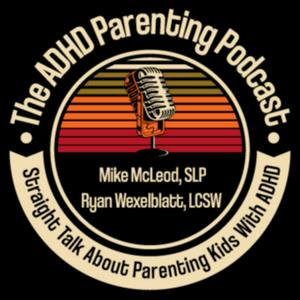
Sobre The ADHD Parenting Podcast
The ADHD Parenting Podcast helps parents of children and teens with ADHD improve behavior, emotional regulation, executive function, and cooperation at home and school. Hosted by Ryan Wexelblatt, LCSW, founder of ADHD Dude, and Mike McLeod, SLP, executive function specialist and author of The Executive Function Playbook, each episode delivers practical, evidence-informed strategies for reducing conflict, strengthening routines, supporting school success, and helping kids with ADHD build independence and confidence.
Site de podcastOuça The ADHD Parenting Podcast, Homeschool History e muitos outros podcasts de todo o mundo com o aplicativo o radio.net
Obtenha o aplicativo gratuito radio.net
- Guardar rádios e podcasts favoritos
- Transmissão via Wi-Fi ou Bluetooth
- Carplay & Android Audo compatìvel
- E ainda mais funções
Obtenha o aplicativo gratuito radio.net
- Guardar rádios e podcasts favoritos
- Transmissão via Wi-Fi ou Bluetooth
- Carplay & Android Audo compatìvel
- E ainda mais funções

The ADHD Parenting Podcast
Leia o código,
baixe o aplicativo,
ouça.
baixe o aplicativo,
ouça.
 Brasil