

Ouça este podcast gratuitamente no aplicativo: Baixe gratuitamente na App Store
radio.net
Sleeptimer
Guardar rádio
134 episódios
Championship Cities: What Winning Really Does to a Place
13/10/2026 | 29minWhat happens to a city when its team finally wins?
After the New York Knicks ended a 53-year championship drought and the 2026 FIFA World Cup brought fans from around the world to the New York-New Jersey region, New York experienced a summer of rare collective celebration.
Alex Norman and Jamie Blond explore what it feels like to live in a championship city and whether winning creates lasting economic and social benefits. They examine packed sports bars, tourism, hotel demand, championship parades, civic pride, public costs, and the strange experience of seeing New Yorkers happily talk to strangers.
The conversation then moves to Miami, where Lionel Messi helped lead Inter Miami to its first MLS Cup and the Florida Panthers won back-to-back Stanley Cups. The hosts also revisit the Miami Heat, Dolphins, and Marlins to ask why some championships become part of a city’s identity while others fade into nostalgia.
Do championships genuinely strengthen cities, or do they simply produce one unforgettable party?
Follow The Real State on Apple Podcasts and Spotify, subscribe on YouTube, and tell us: What sports moment made your city feel united?
Hosted by Simplecast, an AdsWizz company. See pcm.adswizz.com for information about our collection and use of personal data for advertising.Community Is Immunity: Can Connection Help Us Live Longer
29/09/2026 | 34minCan strong relationships and a sense of purpose help us live healthier, longer lives?
Rich Santelises, Director of Brand Alliances and Strategic Partnerships at ZEO ScientifiX, joins Alex Norman and Jamie Blond to explore why longevity involves more than medical treatments, supplements, and emerging technology.
Rich shares his journey from helping launch Ocean Drive magazine and shaping Miami’s cultural scene to working with Healthy Longevity Clinic and ZEO ScientifiX. The conversation examines personalized health, biomarkers, healthspan versus lifespan, the Blue Zones framework, and the growing interest in regenerative medicine.
But the heart of the episode is Rich’s belief that “community is immunity.” The hosts discuss loneliness, purpose, retirement, shared meals, positive relationships, and why the kitchen table may be one of our most important social networks. Rich also explains his “Longevity Is Culture” series and an event with chef Todd English that connected healthy food with the experience of eating together.
The episode concludes by asking whether Miami is becoming America’s longevity capital and how the industry can remain accessible as health and wellness increasingly intersect with luxury.
Follow The Real State on Apple Podcasts and Spotify, subscribe on YouTube, and share this episode with someone you want at your table for years to come.
Learn more: ZEO ScientifiX | The Real State
This conversation is for informational purposes and does not constitute medical advice.
Hosted by Simplecast, an AdsWizz company. See pcm.adswizz.com for information about our collection and use of personal data for advertising.The Money Behind Main Street: The Real Cost of Small-Business Funding
28/08/2026 | 33minWhy can a successful business still struggle to borrow money?
John DiGioia, principal of Sure Source Capital, joins Alex Norman and Jamie Blond to explain the hidden financing system behind the restaurants, medical practices, contractors, storefronts, and other businesses that shape our communities.
Drawing on more than 20 years in corporate finance, John breaks down why traditional banks reject many small-business applicants and how alternative financing can provide access to working capital, equipment financing, lines of credit, invoice factoring, commercial real estate financing, and other funding solutions.
The conversation explores:
• Why profitable businesses can still experience cash-flow emergencies
• How speed, risk, and credit history affect the cost of capital
• When alternative financing can help—and when it can push a business further behind
• Why some industries are considered riskier than others
• How owners can improve their financial profile
• The growth of private credit and alternative lending
• Why Miami has become an important center for lenders and private capital
Most importantly, John explains why obtaining money is only part of the decision: business owners must understand whether the financing will actually solve their problem or cost more than the opportunity it supports.
Learn more about Sure Source Capital at https://www.suresourcecapital.com.
Follow The Real State and leave a rating or review if this conversation helped you better understand the money behind Main Street.
Hosted by Simplecast, an AdsWizz company. See pcm.adswizz.com for information about our collection and use of personal data for advertising.From New York to Berlin: The Cities That Make the Music
29/07/2026 | 34minWhat makes New York sound different from Berlin, and why do certain cities become global centers for electronic music?
International DJ and producer Marc-Alan Gray joins Alex Norman and Jamie Blond to share his journey from New York’s Limelight to clubs and studios across Atlanta, Moscow, London, and Berlin. They explore house music and techno, DJ and production culture, the rise of Boiler Room, how technology accelerates musical trends, and why affordable creative spaces help music scenes thrive.
Marc-Alan also opens up about a life-changing health setback, the mobility challenges he now faces, and the resilience required to keep creating. He and Alex offer a preview of the new music collaboration taking them to Croatia and Amsterdam Dance Event as Marc-Alan begins his next chapter.
Follow Marc-Alan Gray and Alex Monday to see the collaboration unfold.
Hosted by Simplecast, an AdsWizz company. See pcm.adswizz.com for information about our collection and use of personal data for advertising.From Coup to Co-op: The Hidden Business Inside Your Building
16/06/2026 | 38minMost people think of their apartment as a home. But if you live in a co-op, condo, HOA, or shared residential building, you are also part of a business, one with budgets, vendors, reserves, repairs, insurance, board politics, and financial decisions that can directly affect your monthly costs and property value.
In this episode of The Real State, Alex Norman and Jamie Blond sit down with Tina Larsson, Co-Founder of The Folson Group, a former Wall Street analyst who organized a board coup in her own New York City co-op after questioning years of maintenance increases. By applying business discipline to building operations, Tina helped uncover $340,000 in savings and went on to build a consulting firm helping co-op and condo boards run their buildings more effectively.
The conversation begins with the difference between a co-op and a condo, then moves into Tina’s personal story: how she went from Wall Street analyst to co-op reformer after discovering that her own building was wasting money. She explains what a board coup actually looks like, why transparency matters, and how residents can take a more active role in protecting what is often their largest lifetime investment.
Alex, Jamie, and Tina also explore the hidden business inside residential buildings: maintenance fees, vendor contracts, staff roles, reserve funds, capital projects, special assessments, and the decisions that boards often inherit without questioning. Tina explains why many boards are not intentionally mismanaging buildings, but often lack the technical expertise, time, or business framework needed to make better decisions.
The episode also looks at the pressure facing New York City buildings today, including aging infrastructure, rising repair costs, Local Law 97, sustainability mandates, electrical capacity, heat pumps, boilers, and the financial tension between doing what is necessary and keeping buildings affordable for residents.
The conversation also touches on the Champlain Towers collapse in Surfside, Florida, deferred maintenance, structural assessments, and why residents and buyers need to pay closer attention to how buildings are maintained and managed.
Whether you live in a co-op, own a condo, serve on a board, manage a building, or are thinking about buying in New York City, this episode reveals why your building is not just where you live. It is a shared business, a shared investment, and a shared responsibility.
Topics discussed:
Co-op vs. condo ownership
NYC co-op boards and condo boards
Why buildings need to be run like businesses
Tina Larsson’s $340,000 co-op savings story
Maintenance fees and annual increases
Vendor contracts and building staff
Board transparency and communication
Property managers and resident managers
Special assessments and capital repairs
Local Law 97 and sustainability requirements
Aging NYC buildings and infrastructure
Deferred maintenance and building safety
Champlain Towers / Surfside lessons
What buyers should look for before purchasing
Why Tina recommends looking at the basement
Guest:
Tina Larsson, Co-Founder of The Folson Group
Website: thefolsongroup.com
Connect with The Real State:
Website: therealstate.co
Send us feedback, topic ideas, or guest suggestions through our website.
Hosted by Simplecast, an AdsWizz company. See pcm.adswizz.com for information about our collection and use of personal data for advertising.
Mais podcasts de Gestão


Podcasts em tendência em Gestão



Sobre The Real State
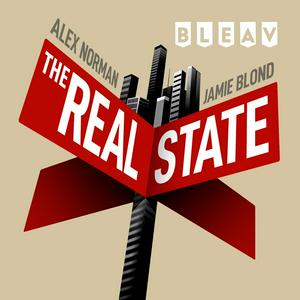
The Real State is the intersection between the latest trends in real estate and its impact on our everyday lives. Alex Norman and Jamie Blond talk with industry leaders, business owners, and residents discussing issues affecting the real estate industry today and tomorrow. www.therealstate.co
Site de podcastOuça The Real State, Coaching Real Leaders e muitos outros podcasts de todo o mundo com o aplicativo o radio.net
Obtenha o aplicativo gratuito radio.net
- Guardar rádios e podcasts favoritos
- Transmissão via Wi-Fi ou Bluetooth
- Carplay & Android Audo compatìvel
- E ainda mais funções
Obtenha o aplicativo gratuito radio.net
- Guardar rádios e podcasts favoritos
- Transmissão via Wi-Fi ou Bluetooth
- Carplay & Android Audo compatìvel
- E ainda mais funções

The Real State
Leia o código,
baixe o aplicativo,
ouça.
baixe o aplicativo,
ouça.
The Real State: Podcast do grupo
 Brasil
