

Ouça este podcast gratuitamente no aplicativo: Baixe gratuitamente na App Store
radio.net
Sleeptimer
Guardar rádio
117 episódios
115 - To the Lighthouse by Virginia Woolf
27/05/2026 | 1hWhat does it mean to make meaning in an indifferent universe?
In this episode, we (Nathan and David) are talking Virginia Woolf's 1927 masterpiece To the Lighthouse, a novel where almost nothing "happens" and yet everything does. All of life is here.
We talk about Woolf's stream-of-consciousness mastery and her uncanny ability to move between minds; Mrs. Ramsay as the magnetic, self-negating center of the novel; the famous "wedge-shaped core of darkness;" the ruthless, primordial "Time Passes" section; and Lily Briscoe's revelation that art is an act of perception, not creation (and not just because her art sounds like it is bad).
Along the way: beehives, terrible daffodils, the window as a frame against chaos, and whether you have to go to the lighthouse to arrive at the lighthouse.
Chapters: 0:00 – Opening Quote & Introduction
0:48 – "Nothing Was Simply One Thing"
1:56 – The Plot (Such as It Is)
4:22 – Characters, Haunted Hives, & Grotesque Notions
6:13 – Mrs. Ramsay: The Wedge-Shaped Core of Darkness at the Center of Everything
8:50 – Mr. Ramsay: Tyrant, Philosopher, & Deeply Needy Man
19:15 – The Marriage: Triumph Without Saying "I Love You"
22:52 – She Who Knows: Mrs. Ramsay's Singular Perception
24:57 – Time Stands Still: The Dinner Party, the Window & Making Moments Into Eternity
29:44 – Time Passes: Nature's Indifference, the Brutality of Brackets & a House Left to Rot
38:08 – To the Lighthouse: Distance, Perception & Two Ways of Apprehending the World
46:37 – Art as Perception: The Miserable Machine & the Miraculous Chair
52:19 – The Wedge Core, Lily's Revelation & Virginia Woolf's Hidden Buddhism
55:26 – What Will Stay With Us: Terrible Daffodils, Tansley in Love & the Nowness of Everything
55:28 – Recommendations: Mrs. Dalloway, Ulysses & Light Years
1:00:27 – Final Thoughts & Next Book114 - The Obscene Bird of Night by José Donoso
04/02/2026 | 1h 18minJosé Donoso's The Obscene Bird of Night is one of the most difficult, disturbing, and rewarding novels in Latin American literature.
In this episode, we get into the fractured identities, grotesque transformations, and decaying aristocracy at the heart of this surreal gothic masterpiece.
We ask: Why does this book have such a formidable reputation? What's actually happening in those disorienting, dreamlike passages? And what do we make of the imbunche?
Also, we cover: First reactions and why this book has such a notorious reputation; The reading experience (unreliable narrators, shifting perspectives, and dreamlike logic); Key plot threads: the Azcoitía family's secrets, Mudito's erasure, the decaying convent; Major themes: identity collapse, class decay, the grotesque body, sterility and death; Why this radical, unsettling novel stays with you long after.
For readers of: Gabriel García Márquez, Clarice Lispector, Jorge Luis Borges, Gothic literature, Latin American Boom fiction.
If you've read this book, or tried to, we want to hear from you. What overwhelmed you? What stuck with you? Drop your reactions in the comments.
00:00 Introduction to The Obscene Bird of Night
01:28 Initial Impressions and the Reading Experience
04:44 Quotes to Demonstrate the Madness and Multiplicity of the Novel
12:51 The Imbunche
13:59 Reading Strategies
15:48 Attempted Plot Breakdown
29:41 Exploring the Novel's Structure
35:00 Three Lenses for Viewing the Novel
36:24 Is the Novel Eating Itself
40:03 Monstrosity and Beauty
48:57 Decay and Three Epochs of Chilean Society
49:10 Success or Failure?
49:59 Historical Context
59:00 Identity Crisis
01:04:12 The Imbunche Myth
01:07:36 Desire for Erasure
01:10:04 Final Regret
01:14:32 Conclusion and Reflection
01:18:15 Closing Remarks113 - The Brothers Karamazov by Fyodor Dostoevsky (2 of 2)
20/12/2025 | 1h 7minMurder, faith, redemption, justice, morality, and a reckoning with one's beliefs about the world! This is The Brothers Karamazov by Fyodor Dostoevsky.
In this episode of the Books of Some Substance podcast, we (Nathan Sharp and David Southard) discuss the second half of the novel, looking at the novel's interplay of belief systems and reality, moral questions, and philosophical insights. We cover the characters' journeys, personal transformations, and the profound questions the narrative poses about life, justice, and existence.
00:00 Introduction to the Episode (Law and Order)
01:11 Reflections on the Second Half of the Book
01:54 Themes and Tangents in the Second Half
04:36 Alyosha's Transformation and Revelations
06:19 The Onion Story and Its Significance
11:31 Mitya's Descent and Arrest
18:09 Interrogation and Doubts About Mitya's Guilt
22:39 Alyosha's Encounters and the Story of the Boys
28:08 Insecurities and Mentorship
29:21 Polyphonic Quality of the Novel
29:32 Simultaneous Plotlines and Moral Alternatives
30:20 Evolving Character Dynamics
31:30 Ivan's Journey and Prison Encounters
33:13 Mitya's Transformation in Prison
38:38 The Trial and Its Implications
39:58 Final Reflections and Themes
01:01:04 Personal Takeaways and Conclusion
01:06:12 Closing Remarks112 - The Brothers Karamazov by Fyodor Dostoevsky (1 of 2)
25/09/2025 | 1h 22minIn this episode of The Books of Some Substance podcast, Nathan and David get into the first half of Fyodor Dostoevsky's masterpiece, The Brothers Karamazov (Books 1-6; Parts 1 and 2).
From the novel's dense, philosophical style and its stark contrast to modern life, to deep dives into themes like love, free will, human suffering, redemption, and the role of faith in a crumbling society, Nathan and David explore what makes this 19th-century Russian epic timeless (and occasionally trudging).
They break down Ivan's worldview in "Pro and Contra," the iconic "Grand Inquisitor" chapter, and Father Zosima's profound teachings on universal love and personal responsibility.
Whether you're a Dostoevsky veteran or tackling the "world's greatest novel" for the first time, this discussion wrestles with the big questions: How do we find meaning in absurdity? Can society handle true freedom? And what does it mean to love unconditionally?
This is Part 1 of 2. Tune in next time for the dramatic second half!
If you enjoyed this episode, drop us a line with your thoughts on Dostoevsky or the Karamazovs. What ultimate question does the novel make YOU wrestle with?
Support the podcast and grab some merch at booksofsomesubstance.com.
Happy reading!111 - Light Years by James Salter
29/05/2025 | 1h 6minIn this episode of the Books of Some Substance podcast, hosts Nathan Sharp and David Southard reunite with our old friend Eric Heiman (whose life and experiences connect closely to the novel on this episode) to discuss the intricate and poignant novel Light Years by James Salter.
We get into the unique lyrical and unadorned narrative style of the book, the mysteries of life, the contrast between perceived and real lives, the pursuit of freedom versus loyalty, the existential and daily struggles of the married couple at the center of the novel, the impact of re-reading the book years later, noting how personal experiences and age have deepened their appreciation for Salter's work, and the seemingly endless cultural references scattered throughout the novel, debating whether they enhance or alienate the reader.
00:00 Introduction and Initial Impressions
01:35 Host Introduction and Personal Reflections
03:44 Deep Dive into the Book's Themes
06:29 Character Analysis and Personal Connections
08:09 Exploring the Book's Style and Prose
10:41 Discussion on Freedom and Relationships
13:18 Impact of the Book on Personal Lives
16:45 Author's Background and Influence
19:45 Cultural References and Allusions
29:39 Thoughts and Reflections of Self
40:31 More Cultural References, and Social Circles
41:51 Mixed Reception and Critical Reviews
42:44 Cultural Alienation and Aspiration
47:46 Rome: A City of Ghosts
49:44 Understanding the Book's Depth
52:10 The Importance of Cultural References
54:44 Final Thoughts and Recommendations
59:48 Reflections on Characters and Themes
01:05:25 Concluding Remarks and Farewell
Mais podcasts de Arte
 451 MHzArte, Livros, Sociedade e cultura
 para todas as pessoas intensas.Arte, Livros
 Tantos Tempos PodcastArte, Diários pessoais, Relacionamentos, Sociedade e cultura
 Leiam mais livros - Resumos para quem não tem tempo.Arte, Livros
 Japan House SPArte, Artes visuais, Design
 99% InvisibleArte, Design
 Ilustríssima ConversaArte, Notícias, Sociedade e cultura
 Rádio CompanhiaArte
 Contém spoiler, obviamenteArte, Livros
 30:MIN - Livros e LiteraturaArte, Livros
Podcasts em tendência em Arte
 podcast cruel demaisArte, Livros
 Patrícia Kogut - Fora de SérieArte, Artes visuais
 Catholic Bible StudyArte, Artes visuais, Cristianismo, Enriquecimento individual, Ensino, Livros, Religião e espiritualidades
 Think Again - a Big Think PodcastArte, Sociedade e cultura
 Ler Antes de MorrerArte, Ensino, Livros
 ArquicastArte, Carreiras, Ciência, Ciências Sociais, Design, Negócios
 In Deep GeekArte, Ficção, Livros, TV e cinema
 Marília: O outro lado da sofrênciaArte, Música, Notícias
 Nymphet AlumniArte
 Leitura de OuvidoArte, Livros
 The MothArte, Artes performativas
 Momento do Brinde - Suzana BarelliArte, Gastronomia
 Close ReadingsArte, Cursos, Ensino, Livros
 The Run-Through with VogueArte, Moda e beleza
 Tumba Do BalinArte, Livros
 Biblioteca ComentadaArte, Livros
 THEMOVEArte, Desporto
 Minipod LiterárioArte, Livros
Sobre Books of Some Substance
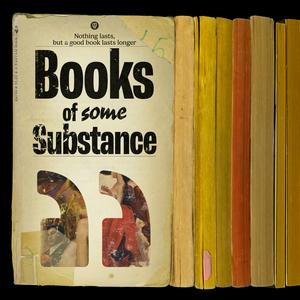
The unofficial podcast of literary misfits everywhere who want to engage with books of "substance" (i.e. serious, respected, heavy, philosophical, classic), or at least considered such.
Site de podcastOuça Books of Some Substance, 451 MHz e muitos outros podcasts de todo o mundo com o aplicativo o radio.net
Obtenha o aplicativo gratuito radio.net
- Guardar rádios e podcasts favoritos
- Transmissão via Wi-Fi ou Bluetooth
- Carplay & Android Audo compatìvel
- E ainda mais funções
Obtenha o aplicativo gratuito radio.net
- Guardar rádios e podcasts favoritos
- Transmissão via Wi-Fi ou Bluetooth
- Carplay & Android Audo compatìvel
- E ainda mais funções

Books of Some Substance
Leia o código,
baixe o aplicativo,
ouça.
baixe o aplicativo,
ouça.
 Brasil