"Aiming for a protein goal cannot be done at the expense of adequate calories, carbs, and fats."
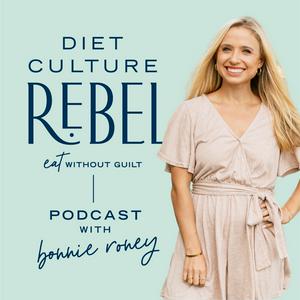
Do you ever wonder whether tracking protein could help or harm your journey to food freedom? In this episode, I’m answering common questions that come up while healing your relationship with food, including the protein craze, rebuilding trust with hunger cues, and what really happens during the honeymoon phase after restriction. We’ll also talk about why macros can feel so mentally consuming, how to feel less out of control around “forbidden” foods, and the powerful transformation possible on the other side of food rules.
What You’ll Learn:
Why following a protein goal might be helpful or harmful when moving towards intuitive eating
How to honestly reflect on your history with tracking numbers, food rules, and body checking
Ways to start recognizing (and honoring) your hunger cues again
The truth about the honeymoon phase after restriction and why feeling out of control is actually a normal, necessary step
Practical tips to ground yourself emotionally when doubts and fears come up in your food freedom journey
Simple ways to implement flexibility, curiosity, and self-trust in your day-to-day eating choices
Resources:
Grab the Hunger & Fullness Scale Guide at DietCultureRebel.com/hungerfullnessscale and take your next step toward building trust with your body and food.
Episode 198, Is the Protein Craze Just Diet Culture...or Valid? Deciphering Protein Needs As An Intuitive Eater
Connect with me over on Instagram at @diet.culture.rebel.
Struggling with food, but not sure where to start?
You don’t have to feel 100% ready to get support. If you're tired of obsessing over food or feeling stuck in the diet cycle, my team of Registered Dietitians is here to help. We offer one-on-one nutrition counseling—and we accept insurance! Spots are limited, so head to https://dietculturerebel.com/insurance to see if we’re covered in your state and learn how to get started.





 Brasil