

Ouça este podcast gratuitamente no aplicativo: Baixe gratuitamente na App Store
radio.net
Sleeptimer
Guardar rádio
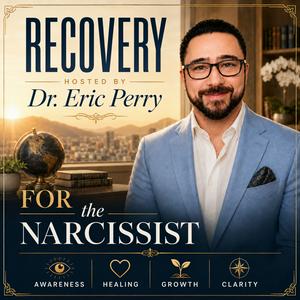
Recovery FOR the Narcissist | Narcissism | Awareness | Accountability | Growth
Dr. Eric Perry, PhD | Educator | Coach | Speaker
Último episódio
96 episódios

Why Your Partner No Longer Feels Safe With You
04/08/2026 | 43minIn this episode of Recovery for the Narcissist, Dr. Eric Perry examines how contempt, chronic irritation, emotional withdrawal, and defensiveness can slowly transform the emotional atmosphere of a relationship. These behaviors may not be intended to cause harm, yet over time, they can leave a partner feeling dismissed, unwanted, and emotionally unsafe.
Dr. Perry explains how contempt is not always expressed through obvious cruelty, insults, or hostility. It often appears quietly through an impatient tone, dismissive responses, constant correction, sarcasm, emotional distance, or an unwillingness to remain present during difficult conversations. He explores how these patterns may develop as protective responses to vulnerability, shame, criticism, and the fear of emotional exposure—and why the defenses that once helped someone feel safe can eventually prevent genuine closeness.
Listeners will learn about:
How contempt gradually changes the emotional atmosphere of a relationship
The difference between emotional intention and emotional impact
Why vulnerability may trigger criticism, defensiveness, or withdrawal
How narcissistic defenses can turn fear and shame into emotional distance
The repeating cycle between a partner seeking reassurance and another pulling away
How to recognize defensiveness before it takes control of a conversation
The importance of curiosity, validation, warmth, and emotional presence
How quicker repair and consistent accountability can begin rebuilding trust
Dr. Perry offers a compassionate and emotionally grounded perspective for those who genuinely love their partner but struggle to understand why closeness becomes uncomfortable or conflict repeatedly creates distance. Whether you identify with narcissistic tendencies, become defensive during emotional conversations, or recognize that someone you love no longer feels safe approaching you, this episode provides practical guidance for interrupting old patterns and responding with greater awareness.
Tune in to understand how emotional safety is lost through small, repeated moments—and how it can be rebuilt in the same way. Lasting change does not require perfection. It begins by noticing your reactions, becoming curious about what you are protecting, taking responsibility for your impact, and choosing connection over self-protection one conversation at a time.
Connect with Dr. Perry: https://drericperry.com
Own Your Stuff Online Coaching Group: https://drericperry.com/ownyourstuff
Empathy Awakening Workshop: https://drericperry.com/empathyawakening
Disclaimer: The content contained in this podcast is for general information only and is not intended to be a substitute for professional advice, assessment, diagnosis, or treatment. Listeners should not rely on the information provided for their own health needs. All specific questions should be presented to your own healthcare provider. Listening to this podcast in no way creates a professional/working relationship between the listener and the host. If at any time you have an emergency while listening, please contact your local emergency center immediately.From Worship to Withdrawal: The Idealize–Devalue–Withdraw Cycle
31/05/2026 | 26minIn this episode of Recovery for the Narcissist, Dr. Eric Perry explores the Idealize–Devalue–Withdraw Cycle, a common but often misunderstood pattern that shapes many relationships involving individuals with narcissistic traits. This episode examines why relationships can begin with intense admiration, emotional investment, and a powerful sense of connection, only to gradually shift toward disappointment, criticism, emotional distancing, and eventual withdrawal.
Drawing from the work of psychoanalyst Otto Kernberg and object relations theory, Dr. Perry explains how unconscious defenses shape the way individuals experience intimacy, vulnerability, and self-worth. He explores how idealization is often used to stabilize identity and regulate self-esteem, why devaluation occurs when others no longer serve that emotional function, and how withdrawal becomes a strategy for managing emotional discomfort, dependency, and fear of exposure. The episode also examines the roles of splitting, emotional dysregulation, and vicarious achievement in sustaining these repetitive relationship patterns.
Listeners will learn about:
The Idealize–Devalue–Withdraw Cycle and why it repeats
Otto Kernberg’s theory of narcissistic personality structure
How splitting causes others to be viewed as all good or all bad
The role of self-esteem regulation in intimate relationships
Why dependency and emotional vulnerability can feel threatening
How emotional dysregulation fuels devaluation and withdrawal
The concept of vicarious achievement and identity regulation
How awareness can interrupt the cycle and create healthier connection
Dr. Perry offers a compassionate and psychologically grounded perspective for individuals who find themselves repeatedly losing interest in relationships, becoming emotionally distant when intimacy deepens, or struggling to understand why connection so often gives way to withdrawal. Whether you identify with narcissistic traits or simply recognize aspects of this pattern in your own life, this episode provides insight into the hidden emotional mechanisms operating beneath the surface.
Tune in to understand how greater self-awareness can transform the way you relate to yourself and others. Healing begins when you learn to tolerate emotional complexity, remain present during discomfort, and develop a more stable internal sense of worth that no longer depends on idealization, devaluation, or retreat. Real connection becomes possible when you stop reacting to old defenses and begin responding with awareness.
Connect with Dr. Perry: https://drericperry.com
Own Your Stuff Online Coaching Group: https://drericperry.com/ownyourstuff
Empathy Awakening Workshop: https://drericperry.com/empathyawakening
Disclaimer: The content contained in this podcast is for general information only and is not intended to be a substitute for professional advice, assessment, diagnosis, or treatment. Listeners should not rely on the information provided for their own health needs. All specific questions should be presented to your own healthcare provider. Listening to this podcast in no way creates a professional/working relationship between the listener and the host. If at any time you have an emergency while listening, please contact your local emergency center immediately.The Hidden Roles We Play: Transactional Analysis and Breaking Free from the Drama Triangle
07/12/2025 | 32minIn this episode of Recovery for the Narcissist, Dr. Eric Perry examines the deep emotional patterns that shape our reactions during moments of stress, conflict, and relational rupture. This episode explores the Victim Triangle and the foundations of Transactional Analysis, revealing how old childhood survival roles continue to shape our adult relationships in ways we often do not recognize.
Dr. Perry explains how the three roles of the Drama Triangle—Victim, Rescuer, and Persecutor—emerge not from weakness or malice, but from early attempts to feel safe, valued, and emotionally connected. He explores how these roles become automatic responses in adulthood, especially in relationships marked by emotional imbalance or narcissistic dynamics, and how they keep both partners stuck in cycles of misunderstanding and emotional defensiveness.
Listeners will learn about:
The origins of the Victim, Rescuer, and Persecutor roles
How Transactional Analysis shapes communication patterns
Why familiar emotional roles feel like “home,” even when painful
How these roles operate in narcissistic relationships
The Empowerment Triangle: Creator, Coach, and Challenger
How to shift from reactive patterns into conscious, grounded connection
Dr. Perry offers a compassionate and emotionally grounded perspective for those who find themselves repeating the same arguments, feeling emotionally hijacked, or trapped in roles they no longer want to play. Whether you identify with narcissistic traits or have struggled to maintain connection in difficult relationships, this episode provides clarity, language, and gentle guidance for stepping out of survival patterns and back into presence.
Tune in to understand how awareness, emotional honesty, and grounded self-connection can transform old relational scripts. Healing begins not by perfecting your behavior, but by recognizing the roles you were once forced to play—and remembering that you no longer have to live inside them.
Connect with Dr. Perry: https://drericperry.com
Own Your Stuff Online Coaching Group: https://drericperry.com/ownyourstuff
Empathy Awakening Workshop: https://drericperry.com/empathyawakening
Disclaimer: The content contained in this podcast is for general information only and is not intended to be a substitute for professional advice, assessment, diagnosis, or treatment. Listeners should not rely on the information provided for their own health needs. All specific questions should be presented to your own healthcare provider. Listening to this podcast in no way creates a professional/working relationship between the listener and the host. If at any time you have an emergency while listening, please contact your local emergency center immediately.Self-Loathing in the Narcissistic Self: When the Mask Cracks
02/12/2025 | 18minIn this episode of Recovery for the Narcissist, Dr. Eric Perry explores the hidden emotional engine beneath narcissistic defenses: self-loathing. This episode examines how deep internal shame, formed early in life and carried silently into adulthood, shapes emotional reactions, relational patterns, and the need to maintain a polished exterior at all times.
Dr. Perry explains how this inner narrative—the quiet belief of not being enough—leads many individuals with narcissistic traits to perform strength rather than inhabit authenticity. He explores how self-loathing fuels perfectionism, emotional guardedness, and an intense fear of being truly known, while simultaneously creating a painful hunger for real closeness.
Listeners will learn about:
How the false self forms as a protective performance
The role of shame in shaping narcissistic identity
The hidden emotional cost of maintaining the mask
How self-loathing interferes with vulnerability and attachment
Five pathways toward healing through honesty and compassionate self-contact
Dr. Perry offers a deeply humane perspective for those who have felt the exhausting burden of performing competence, confidence, or superiority while privately fighting feelings of unworthiness. Whether you have struggled to let others in or have pushed away love out of fear rather than indifference, this episode gives language and clarity to an emotional experience that rarely gets acknowledged out loud.
Tune in to discover how gentleness, patience, and emotional presence can slowly restore the connection between the self you show to the world and the self you’ve learned to hide. Healing begins not with perfection, but with allowing yourself to be seen—imperfectly, authentically, and without the armor of performance.
Connect with Dr. Perry: https://drericperry.com
Own Your Stuff Online Coaching Group: https://drericperry.com/ownyourstuff
Empathy Awakening Workshop: https://drericperry.com/empathyawakening
Disclaimer: The content contained in this podcast is for general information only and is not intended to be a substitute for professional advice, assessment, diagnosis, or treatment. Listeners should not rely on the information provided for their own health needs. All specific questions should be presented to your own healthcare provider. Listening to this podcast in no way creates a professional/working relationship between the listener and the host. If at any time you have an emergency while listening, please contact your local emergency center immediately.Rebounding After Relationship Rupture: The Dangers of Premature Repair
19/11/2025 | 14minIn this episode of Recovery for the Narcissist, Dr. Eric Perry explores the delicate, often misunderstood moment that follows an interpersonal disconnect. This episode examines how micro-ruptures—those subtle moments when a tone shifts, a comment lands poorly, or a sense of distance quietly appears—can profoundly impact emotional safety long before anything is acknowledged out loud.
Dr. Perry unpacks why these moments are uniquely challenging for individuals with narcissistic tendencies. He explains how discomfort, shame, and the loss of emotional control can activate defensive strategies that feel instinctive in the moment but ultimately undermine trust and connection. Instead of regulating internally, many unconsciously reach for overt defense, covert defense, or premature repair—attempts to ease their own discomfort rather than meet the relational moment with presence.
Listeners will learn about:
What micro-ruptures look like in real-life dynamics
Why narcissistic individuals often rush to repair in order to regain emotional control
The difference between emotional urgency and emotional responsibility
How premature repair protects comfort but blocks connection
Five essential practices for meaningful reconnection
Dr. Perry offers clear and compassionate insight for anyone who has felt the sting of a subtle disconnect—or for those who may unintentionally respond to these moments with speed rather than attunement. Whether you’ve sensed emotional distance growing without understanding why, or you’ve noticed your own instinct to “fix things” too quickly, this episode brings clarity, language, and a framework for authentic repair.
Tune in to discover how slowing down, staying present, and tolerating discomfort can transform a disconnect from a moment of emotional rupture into an opportunity for genuine reconnection. Healing in relationships begins not with perfection, but with presence, responsibility, and the choice to rebuild emotional safety one moment at a time.
Connect with Dr. Perry: https://drericperry.com
Own Your Stuff Online Coaching Group: https://drericperry.com/ownyourstuff
Empathy Awakening Workshop: https://drericperry.com/empathyawakening
Disclaimer: The content contained in this podcast is for general information only and is not intended to be a substitute for professional advice, assessment, diagnosis, or treatment. Listeners should not rely on the information provided for their own health needs. All specific questions should be presented to your own healthcare provider. Listening to this podcast in no way creates a professional/working relationship between the listener and the host. If at any time you have an emergency while listening, please contact your local emergency center immediately.
Mais podcasts de Enriquecimento individual
 Podcasts do ClóvisEnriquecimento individual, Ensino, Filosofia, Sociedade e cultura
 Descobri depois de adultaEnriquecimento individual, Ensino
 How to Touch GrassCiência, Ciências Sociais, Enriquecimento individual, Ensino, Sociedade e cultura
 Excepcionais - Marcelo ToledoEnriquecimento individual, Ensino
 Flow PodcastEnriquecimento individual, Ensino
 Café com PNLEnriquecimento individual, Ensino
 anything goes with emma chamberlainDiários pessoais, Enriquecimento individual, Ensino, Sociedade e cultura
 The Mel Robbins PodcastEnriquecimento individual, Ensino, Relacionamentos, Saúde e fitness, Saúde mental, Sociedade e cultura
 Canal EstoicoEnriquecimento individual, Ensino
 Bucket List PodcastEnriquecimento individual, Ensino
Podcasts em tendência em Enriquecimento individual
 messy girls club por catharine rosasEnriquecimento individual, Ensino
 Completamente PopEnriquecimento individual, Ensino
 Sem Groselha PodcastEnriquecimento individual, Ensino
 errando em públicoEnriquecimento individual, Ensino
 SOLVED with Mark MansonEnriquecimento individual, Ensino
 20 e poucosEnriquecimento individual, Ensino
 Good Life ProjectEnriquecimento individual, Ensino, Guias, Negócios, Saúde e fitness
 Seminario Fenix | Brian TracyEmpreendedorismo, Enriquecimento individual, Ensino, Filosofia, Negócios, Sociedade e cultura
 Life KitCrianças e família, Enriquecimento individual, Ensino, Negócios, Saúde e fitness
 Ces questions que tout le monde se poseEnriquecimento individual, Ensino, Saúde e fitness, Saúde mental
 Manifesting with Ale: Neurociência comportamentalEnriquecimento individual, Ensino, Saúde e fitness, Saúde mental
 The Lazy Genius PodcastArte, Crianças e família, Enriquecimento individual, Ensino, Guias, Pais e mães
 Porn Free RadioEnriquecimento individual, Ensino, Saúde e fitness, Saúde mental
 Know ThyselfEnriquecimento individual, Ensino
 Vida Simples PodcastEnriquecimento individual, Ensino
Sobre Recovery FOR the Narcissist | Narcissism | Awareness | Accountability | Growth
Hosted by Dr. Eric Perry, Recovery for the Narcissist offers insights for those who want to better understand themselves, strengthen their relationships, and pursue meaningful change. Dr. Perry explores the patterns, choices, and behaviors that shape our lives while providing practical strategies grounded in greater self-awareness. This podcast is part of Dr. Perry's broader work through coaching, speaking, and educational resources.
Learn More:
https://drericperry.com
Coaching Group:
https://drericperry.com/ownyourstuff
Empathy Workshop:
https://drericperry.com/empathyawakening
Site de podcastOuça Recovery FOR the Narcissist | Narcissism | Awareness | Accountability | Growth, Podcasts do Clóvis e muitos outros podcasts de todo o mundo com o aplicativo o radio.net
Obtenha o aplicativo gratuito radio.net
- Guardar rádios e podcasts favoritos
- Transmissão via Wi-Fi ou Bluetooth
- Carplay & Android Audo compatìvel
- E ainda mais funções
Obtenha o aplicativo gratuito radio.net
- Guardar rádios e podcasts favoritos
- Transmissão via Wi-Fi ou Bluetooth
- Carplay & Android Audo compatìvel
- E ainda mais funções

Recovery FOR the Narcissist | Narcissism | Awareness | Accountability | Growth
Leia o código,
baixe o aplicativo,
ouça.
baixe o aplicativo,
ouça.
Recovery FOR the Narcissist | Narcissism | Awareness | Accountability | Growth: Podcast do grupo
 Brasil