Ouça este podcast gratuitamente no aplicativo: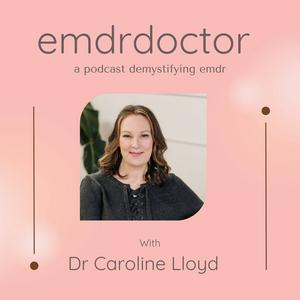 Baixe gratuitamente na App Store
radio.net
Sleeptimer
Guardar rádio
57 episódios

58. Finding Peace: Group EMDR in the Wake of Terror
19/12/2025 | 10min
This week’s episode of The EMDR Doctor Podcast comes from a heavier place. Following the devastating Bondi attack, it didn’t feel right to carry on with a light, festive conversation. Instead, I wanted to pause, acknowledge the collective grief many in our community are feeling, and speak about something practical and hopeful — how Group EMDR can support people after traumatic events. In this episode, I share information about free group EMDR offerings, explain how the Group Traumatic Event Protocol (GTEP) works, and explore why this approach can be so powerful in the days and weeks following collective trauma — without requiring people to relive or retell their stories. In This Episode, You’ll Learn: How Group EMDR differs from traditional group therapy or debriefing Why talking about traumatic details isn’t necessary for healing How distress is measured and reduced using the GTEP protocol Who group EMDR is suitable for after disasters or violent events How early intervention can reduce long-term trauma symptoms and build resilience Key Highlights: Acknowledging collective grief and the emotional impact of the Bondi attack What Group EMDR (GTEP) is and why it was developed for recent traumatic events How group EMDR works without sharing personal trauma stories Why self-administered bilateral stimulation is effective and safe in group settings Research and real-world outcomes showing reduced distress after just one session Resources Mentioned: Heal Your Past Online EMDR Program: For those looking to explore EMDR as a tool for healing, Dr. Lloyd’s online course offers support in processing trauma, especially betrayal trauma. Find more at emdrdoctor.com.au/heal EMDR Therapy for Betrayal Trauma: If you're in Australia and want personalized support, Dr. Lloyd’s individual or group therapy sessions may be right for you. EMDR Doctor Membership: If you’ve worked with Dr. Lloyd before and need ongoing support, check out the EMDR Doctor Membership page for monthly opportunities to continue EMDR therapy. Contact and Feedback: If you’ve been affected by betrayal trauma, or if you want to discuss how EMDR can help you heal from past wounds, get in touch with Dr. Lloyd at emdrdoctor.com.au . Remember, healing from betrayal trauma is a journey — you don’t have to do it alone. Subscribe & Stay Connected: Be sure to follow or subscribe so you never miss an episode. Each week, we dive into the powerful ways EMDR therapy can help you heal, grow, and reclaim your life. If you’ve found today’s episode helpful, share it with someone who could benefit from this information. See me in person over on my YouTube channel — it’s a great way to connect face-to-face, learn more about EMDR, and get a sense of how we might work together in therapy. Join me, Dr. Caroline Lloyd, as we unpack trauma, explore the science of EMDR, and share real stories of recovery and resilience.
57. Unwrapping the Christmas Blues
12/12/2025 | 22min
It’s Christmas… and I’m embracing my inner Grinch just a tiny bit this week. In this episode, we’re unpacking the Christmas Blues — the stress, the chaos, the pressure, the grief, the perfectionism, the money stuff, the complicated families… all of it. Because honestly? A lot of people don’t love Christmas, and there are so many valid reasons why. From impossible expectations to old wounds that get stirred up, we’re taking a gentle, honest look at why this time of year can feel overwhelming — and how you can soften the edges, protect your energy, and give yourself permission to do the holidays your way. In This Episode, You’ll Learn: Why Christmas can be emotionally overwhelming (and you’re not imagining it!) How old patterns, trauma, and family dynamics get activated this time of year Practical ways to lower the pressure, drop the perfectionism, and simplify How to navigate grief, loneliness, or complicated feelings with more compassion Why EMDR can help with the deeper, stickier stuff Christmas brings to the surface How to create a calmer, more authentic holiday experience — without guilt Key Highlights: How Christmas pressure — time, expectations, and perfectionism — quietly ramps up stress. Why family gatherings can feel emotionally loaded, especially when old wounds get stirred. How grief, loss, or loneliness often resurface this time of year (and why that’s normal). The financial and emotional fatigue that makes December feel heavier than it looks on paper. Simple, compassionate ways to soften the season and make Christmas feel safer, calmer, and more “you.” Resources Mentioned: Heal Your Past Online EMDR Program: For those looking to explore EMDR as a tool for healing, Dr. Lloyd’s online course offers support in processing trauma, especially betrayal trauma. Find more at emdrdoctor.com.au/heal EMDR Therapy for Betrayal Trauma: If you're in Australia and want personalized support, Dr. Lloyd’s individual or group therapy sessions may be right for you. EMDR Doctor Membership: If you’ve worked with Dr. Lloyd before and need ongoing support, check out the EMDR Doctor Membership page for monthly opportunities to continue EMDR therapy. Contact and Feedback: If you’ve been affected by betrayal trauma, or if you want to discuss how EMDR can help you heal from past wounds, get in touch with Dr. Lloyd at emdrdoctor.com.au . Remember, healing from betrayal trauma is a journey — you don’t have to do it alone. Subscribe & Stay Connected: Be sure to follow or subscribe so you never miss an episode. Each week, we dive into the powerful ways EMDR therapy can help you heal, grow, and reclaim your life. If you’ve found today’s episode helpful, share it with someone who could benefit from this information. See me in person over on my YouTube channel — it’s a great way to connect face-to-face, learn more about EMDR, and get a sense of how we might work together in therapy. Join me, Dr. Caroline Lloyd, as we unpack trauma, explore the science of EMDR, and share real stories of recovery and resilience.
56. Liar, Liar pants on fire
05/12/2025 | 20min
In this week’s episode of The EMDR Doctor Podcast, we’re diving deep into one of the most painful and complex issues people face in relationships: lies. Whether it’s a small fib or a web of deception, lies can be devastating, especially when they come from the people we trust the most. Betrayal trauma and the aftermath of being deceived can feel like a loss of reality itself, and healing from that is no small feat. Today, we’ll explore why people lie, the pain of betrayal trauma, and how EMDR therapy can help untangle the webs of deceit that keep us trapped in hurt and confusion. We’ll also talk about the impact of lies on self-worth, trust, and healing, and how to work through the difficult feelings of shame and self-blame. In This Episode, You’ll Learn: The difference between prosocial and antisocial lies and why people lie for different reasons — from making others feel good, to protecting themselves, to avoiding consequences. How betrayal trauma from lies can upend your sense of stability and self-worth, leaving you feeling disoriented and distrustful. Why lies often come with half-truths and how to spot the signs of deceit, especially when a person is a practiced liar. The emotional toll of being lied to and the complexities of trauma when you feel like your reality is being manipulated. The healing journey after betrayal trauma — how to rebuild trust in yourself, your relationships, and the world around you, with the help of EMDR. Key Highlights: Lies are everywhere: Lies come in all shapes and sizes. Some are small “white lies” designed to protect someone’s feelings, while others serve to protect the liar or gain an advantage. But even the “harmless” ones can leave us feeling disconnected from reality. Betrayal trauma from lies is deeply painful: When the person you trust most betrays you with lies, it’s a wound that goes beyond just being deceived. It’s a loss of trust in yourself and in others, and the pain can feel all-consuming. The big lie often hides deeper pain: Lying is sometimes a defense mechanism, stemming from unresolved past trauma. People who lie frequently may have deeply buried truths about their own past that are too painful to face. The child’s dilemma with truth-telling: When children are faced with difficult truths — like reporting abuse — the consequences of lying or withholding the truth can be staggering. Protecting someone else’s feelings may come at the expense of their own safety or well-being, which leaves deep scars. The paradox of telling the truth: While telling the truth is difficult, especially when the consequences are severe, it ultimately leads to healing. Lies, on the other hand, can erode self-esteem and happiness, leaving a person in a constant state of inner conflict. How to spot a liar: There are some classic signs of deception — like excessive details, avoiding eye contact, or changing the subject — but the best way to know if someone is lying is to fact-check or catch them in a contradiction. Healing betrayal trauma with EMDR: Betrayal trauma can absolutely be healed, but it requires deep work. EMDR therapy helps process the emotional pain, rebuild trust, and help you reclaim a sense of stability. While you can’t change the past, you can change how you respond to it and rebuild your self-worth and confidence. Resources Mentioned: Heal Your Past Online EMDR Program: For those looking to explore EMDR as a tool for healing, Dr. Lloyd’s online course offers support in processing trauma, especially betrayal trauma. Find more at emdrdoctor.com.au/heal EMDR Therapy for Betrayal Trauma: If you're in Australia and want personalized support, Dr. Lloyd’s individual or group therapy sessions may be right for you. EMDR Doctor Membership: If you’ve worked with Dr. Lloyd before and need ongoing support, check out the EMDR Doctor Membership page for monthly opportunities to continue EMDR therapy. Contact and Feedback: If you’ve been affected by betrayal trauma, or if you want to discuss how EMDR can help you heal from past wounds, get in touch with Dr. Lloyd at emdrdoctor.com.au . Remember, healing from betrayal trauma is a journey — you don’t have to do it alone. Subscribe & Stay Connected: Be sure to follow or subscribe so you never miss an episode. Each week, we dive into the powerful ways EMDR therapy can help you heal, grow, and reclaim your life. If you’ve found today’s episode helpful, share it with someone who could benefit from this information. See me in person over on my YouTube channel — it’s a great way to connect face-to-face, learn more about EMDR, and get a sense of how we might work together in therapy. Join me, Dr. Caroline Lloyd, as we unpack trauma, explore the science of EMDR, and share real stories of recovery and resilience.
55. Money, Money, Money
28/11/2025 | 12min
Welcome back, everyone — and yes, I owe you an apology for disappearing last week! Life threw a few curveballs (as it tends to do right before the year wraps up), and the podcast had to take a tiny unplanned holiday. But I’m here, tea in hand, and diving straight into a topic that touches every single one of us whether we like it or not… money. We don’t usually talk about money honestly — not with friends, not with partners, and definitely not with our therapists. Yet our money beliefs, habits, fears, and even the chaos in our bank accounts are often shaped by some of our earliest experiences and unhealed emotional wounds. Today we’re unpacking all of it: the guilt, the avoidance, the “I don’t deserve it,” the overspending, the under-spending, the financial trauma, and the sneaky little messages we absorbed when we were too young to know better. And of course, we’ll talk about how EMDR helps untangle those old money stories so you can relate to finances without fear, shame, or self-sabotage. In This Episode, You’ll Learn: Your money patterns aren’t random — they’re rooted in early emotional experiences and learned beliefs. Financial trauma is real, and it shapes how we save, spend, and set boundaries. You can rewire how you relate to money just like any other trauma response. EMDR helps reduce the emotional charge around past financial wounds, making practical change easier. It’s safe to have money, safe to enjoy it, and safe to keep it — those beliefs can be learned. Financial stability and emotional safety are deeply connected. Healing money beliefs can improve boundaries, decision-making, and self-worth. You deserve to feel confident, capable, and empowered when it comes to money. Key Highlights: The surprising childhood experiences that shape adult money beliefs. The hidden cultural prejudices around wealth, especially in Australia. Why so many helpers (including therapists!) feel guilty about earning well. How money trauma shows up in behaviour: overspending, hiding bills, avoiding accounts, maxing cards. How EMDR helps shift money beliefs from fear and shame to safety and empowerment. What it actually looks like to heal your emotional relationship with money. Resources Mentioned: Dr. Lloyd’s Heal Your Past online EMDR program – Register at emdrdoctor.com.au/heal Research on PTSD treatments and why EMDR is faster and more effective than traditional talk therapy for trauma Contact and Feedback: Thinking about trying EMDR for PTSD? Reach out to Dr. Lloyd at emdrdoctor.com.au Note: This podcast provides general information and is not a substitute for individual medical advice. Always consult your healthcare provider for personalised recommendations.S Subscribe & Stay Connected: Make sure you’re following The EMDR Doctor podcast so you never miss an episode! Next week, we’ll be exploring even more ways EMDR can transform your life — from deepening your relationships to building a stronger sense of self. Each episode is packed with expert insights, real stories, and practical tools to help you on your path to recovery. Join Dr. Caroline Lloyd as she unpacks trauma, demystifies PTSD, and shares how EMDR can support real, lasting healing.
54. The Relationship Legacy of Trauma
14/11/2025 | 11min
In this week’s episode of The EMDR Doctor Podcast, we’re diving into something many people quietly relate to — the struggle to form or maintain friendships after trauma. What happens when connection feels unsafe, or when friendship becomes more exhausting than fulfilling? And what does it really mean when someone says, “I don’t do friends”? This episode unpacks how early relational wounds, social exclusion, and even subtle emotional injuries can shape how we connect with others as adults — and how EMDR therapy can help us rebuild safety, trust, and authenticity in our relationships. In This Episode, You’ll Learn: How early experiences of rejection, bullying, or conditional love can shape our adult friendships. Why some people withdraw socially — not from preference, but from emotional exhaustion or fear. The difference between solitude (a healthy choice) and isolation (a protective response to pain). How EMDR helps untangle the past wounds that make connection feel risky. The role of people-pleasing in friendships — and why healing may mean losing some unbalanced relationships along the way. Key Highlights: “I don’t do friends” is often not a preference — it’s a legacy of relational trauma. EMDR helps reprocess painful memories of exclusion, betrayal, or bullying that shaped our sense of worthiness and belonging. Healing people-pleasing patterns may temporarily change friendships — but it also creates space for healthier, mutual connections. Neurodivergent individuals may find friendships draining due to masking or performance — EMDR can support self-acceptance and boundary setting. True connection begins with authenticity — the ability to show up as ourselves without fear of rejection. Resources Mentioned: Dr. Lloyd’s Heal Your Past online EMDR program – Register at emdrdoctor.com.au/heal Research on PTSD treatments and why EMDR is faster and more effective than traditional talk therapy for trauma Contact and Feedback: Interested in exploring EMDR for pregnancy-related anxiety, trauma, or physical symptoms? Reach out to Dr. Lloyd at emdrdoctor.com.au. Note: This podcast provides general information and is not a substitute for individual medical advice. Always consult your healthcare provider for personalised recommendations. Subscribe & Stay Connected: Make sure to follow or subscribe so you never miss an episode. Each week, I dive into new and sometimes surprising ways EMDR can support healing — from easing anxiety to transforming how we respond to pain and stress. See me in person over on my YouTube channel — it’s a great way to connect face-to-face, learn more about EMDR, and get a sense of how we might work together in therapy. Each episode is packed with expert insights, real stories, and practical tools to help you on your path to recovery. Join me, Dr. Caroline Lloyd, as we unpack trauma, explore the science of EMDR, and share real stories of recovery and resilience.
Mais podcasts de Saúde e fitness
 PodeGaySaúde e fitness, Saúde mental
 The Peter Attia DriveSaúde e fitness, Fitness, Medicina
 Huberman LabSaúde e fitness, Ciência, Ciências da Vida
 Despertar ZenSaúde e fitness, Religião e espiritualidades, Sociedade e cultura, Budismo, Saúde mental, Filosofia
 Autoconsciente Podcast | Vida interiorSaúde e fitness, Religião e espiritualidades, Sociedade e cultura, Saúde mental, Filosofia, Espiritualidades
 Lutz PodcastSaúde e fitness
 DrauzioCastSaúde e fitness, Medicina
 Sons para relaxar | by Relaxing White NoiseSaúde e fitness
 Isso não é uma sessão de análise, com Vera IaconelliSaúde e fitness, Sociedade e cultura, Saúde mental, Relacionamentos
 Psicologia na PráticaEnsino, Saúde e fitness, Saúde mental, Enriquecimento individual
Podcasts em tendência em Saúde e fitness
 Médico na PráticaSaúde e fitness, Medicina
 Stay Off My Operating TableSaúde e fitness, Fitness, Medicina, Nutrição
 O Que Te Trouxe Aqui?Saúde e fitness
 Fractais: Caminhos típicos por pessoas atípicas. Neurodivergência, Autismo, TDAH e Altas HabilidadesSaúde e fitness, Saúde mental
 Viva Bem com Marcio AtallaSaúde e fitness, Fitness
 Equilíbrio & Caos com Pri LeiteSaúde e fitness
 ZOE Science & NutritionEnsino, Saúde e fitness, Ciência, Nutrição
 Rain SoundsSaúde e fitness, Saúde mental
 Puravida CASTSaúde e fitness
 Psicologia e Saúde Mental por @psicollogaSaúde e fitness, Saúde mental
 Continuum AudioEnsino, Saúde e fitness, Medicina
 Motivação com Nando PinheiroEnsino, Saúde e fitness, Enriquecimento individual
 𝗔𝗥𝗬 𝗥𝗢𝗗𝗥𝗜𝗚𝗨𝗘𝗦 | 𝗠𝗶𝗻𝗱𝘀𝗲𝘁Saúde e fitness, Saúde mental
 Tudo é CuraSaúde e fitness, Saúde mental
 TED HealthSaúde e fitness
 Tribo Forte Podcast: Saúde. Boa Forma. Estilo De Vida!Ensino, Saúde e fitness, Nutrição, Enriquecimento individual
 Nothing much happens: bedtime stories to help you sleepFicção, Saúde e fitness
 Neurociências por Adriano Freitas (UFF)Ensino, Saúde e fitness, Ciência, Medicina
 Afya PodcastsSaúde e fitness, Medicina
 Relaxing White NoiseSaúde e fitness
 Contos Eróticos Sexo Livre - Erotismo em SérieSaúde e fitness, Sexualidade
 PURA CONNECTIONSaúde e fitness
 The School of GreatnessNegócios, Ensino, Saúde e fitness, Empreendedorismo, Saúde mental, Enriquecimento individual
- Lutz PodcastSaúde e fitness
 Psicanálise em voz alta - leituras de Lacan, Freud e afinsSaúde e fitness, Saúde mental
 Dr. Berg’s Healthy Keto and Intermittent Fasting PodcastSaúde e fitness
 Bem EstarSaúde e fitness
 Podcast Rebelião SaudávelSaúde e fitness, Nutrição
 Psicologia SinceraSaúde e fitness, Saúde mental
 MuzyCASTSaúde e fitness
Sobre The EMDR Doctor Podcast
Dr Caroline is a Mental Health GP who is passionate about helping her clients resolve their difficult memories using EMDR. Eye Movement Desensitisation and Reprocessing is an amazingly effective therapy for trauma and difficult memories. This podcast demystifies EMDR. Dr Caroline shares all her knowledge and experience to help you decide if EMDR is for you, and how best to get the most from your EMDR journey.
Site de podcastOuça The EMDR Doctor Podcast, PodeGay e muitos outros podcasts de todo o mundo com o aplicativo o radio.net
Obtenha o aplicativo gratuito radio.net
- Guardar rádios e podcasts favoritos
- Transmissão via Wi-Fi ou Bluetooth
- Carplay & Android Audo compatìvel
- E ainda mais funções
Obtenha o aplicativo gratuito radio.net
- Guardar rádios e podcasts favoritos
- Transmissão via Wi-Fi ou Bluetooth
- Carplay & Android Audo compatìvel
- E ainda mais funções

The EMDR Doctor Podcast
Leia o código,
baixe o aplicativo,
ouça.
baixe o aplicativo,
ouça.
 Brasil