

Ouça este podcast gratuitamente no aplicativo: Baixe gratuitamente na App Store
radio.net
Sleeptimer
Guardar rádio
2019 episódios
Are You Too Nice to Close the Deal? | Connie Kadansky - 2031
24/08/2026 | 29minshow notesStop Overthinking Your Sales Calls (Do This Instead)" | Adam Lowther - 2030
21/08/2026 | 34minshow notesPeople Buy You | Jordan Harbinger - 2029
17/08/2026 | 34minshow notesSales From The Street-“Cold Emails & Curiosity" | Donald C. Kelly - 2028
14/08/2026 | 18minshow notesYour Weak Pipeline Is A Disciple Issue | Donald C. Kelly - 2027
10/08/2026 | 15minshow notes
Mais podcasts de Carreiras
 Big Swings OnlyCarreiras, Enriquecimento individual, Ensino, Negócios
 Think Fast Talk Smart: Communication TechniquesAprendizagem de idiomas, Carreiras, Comédia, Ensino, Improvisação, Negócios
 Quinto dia útilCarreiras, Negócios
 30 Minutes to President's Club | No-Nonsense SalesCarreiras, Negócios
 A Bit of OptimismCarreiras, Enriquecimento individual, Ensino, Negócios
 Direito de RespostaCarreiras, Negócios
 Médico Celebridade CastCarreiras, Ensino, Negócios
 Lugar de Potência por Ricardo BasagliaCarreiras, Negócios
 Líder HD - Liderança em Alta DefiniçãoCarreiras, Negócios
 CFO THOUGHT LEADERCarreiras, Negócios
Podcasts em tendência em Carreiras
- Quinto dia útilCarreiras, Negócios
 Papo de Líder com Allan PimentaCarreiras, Negócios
 Entrepreneurs on FireCarreiras, Empreendedorismo, Marketing, Negócios
 Revolut InsiderCarreiras, Negócios
- Médico Celebridade CastCarreiras, Ensino, Negócios
 Médicina VeterinariaCarreiras, Negócios
 بتروليCarreiras, Negócios
 De Carona na CarreiraCarreiras, Negócios
 Passe no RHCarreiras, Negócios
 Job InterviewsCarreiras, Enriquecimento individual, Ensino, Negócios
 Find Your Dream Job: Insider Tips for Finding Work, Advancing your Career, and Loving Your JobCarreiras, Negócios
 Podcast da Fabi AbathCarreiras, Negócios
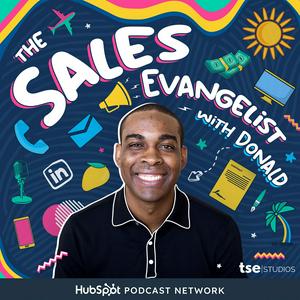
Sobre The Sales Evangelist
I believe in doing BIG THINGS! You should be earning 6 figures easily as a sales rep. But chances are you are not...yet! Sales is the most important department in every company but many sellers are never taught how to effectively sell, much less how to earn their way to high-income status. My own career limped along until a company I worked for invested in sales training to help me succeed. Immediately afterward, I closed a deal worth 4X what the company spent on me and saw hockey-stick improvement in my performance. So I started a podcast to “Evangelize” what was working.
Today I interview the world's best sales experts, successful sellers, sales leaders and entrepreneurs who share their strategies to succeed in sales right now: folks like Jeffrey Gitomer, Jill Konrath, Bob Burg, and Guy Kawasaki to name a few. They share actionable insights and stories that will encourage, challenge, and motivate you to hustle your way to top income status. If you’re someone looking to take off in your sales career and earn the income you deserve, hit subscribe and let’s start doing BIG THINGS!
Site de podcastOuça The Sales Evangelist, Big Swings Only e muitos outros podcasts de todo o mundo com o aplicativo o radio.net
Obtenha o aplicativo gratuito radio.net
- Guardar rádios e podcasts favoritos
- Transmissão via Wi-Fi ou Bluetooth
- Carplay & Android Audo compatìvel
- E ainda mais funções
Obtenha o aplicativo gratuito radio.net
- Guardar rádios e podcasts favoritos
- Transmissão via Wi-Fi ou Bluetooth
- Carplay & Android Audo compatìvel
- E ainda mais funções

The Sales Evangelist
Leia o código,
baixe o aplicativo,
ouça.
baixe o aplicativo,
ouça.
The Sales Evangelist: Podcast do grupo
 Brasil